
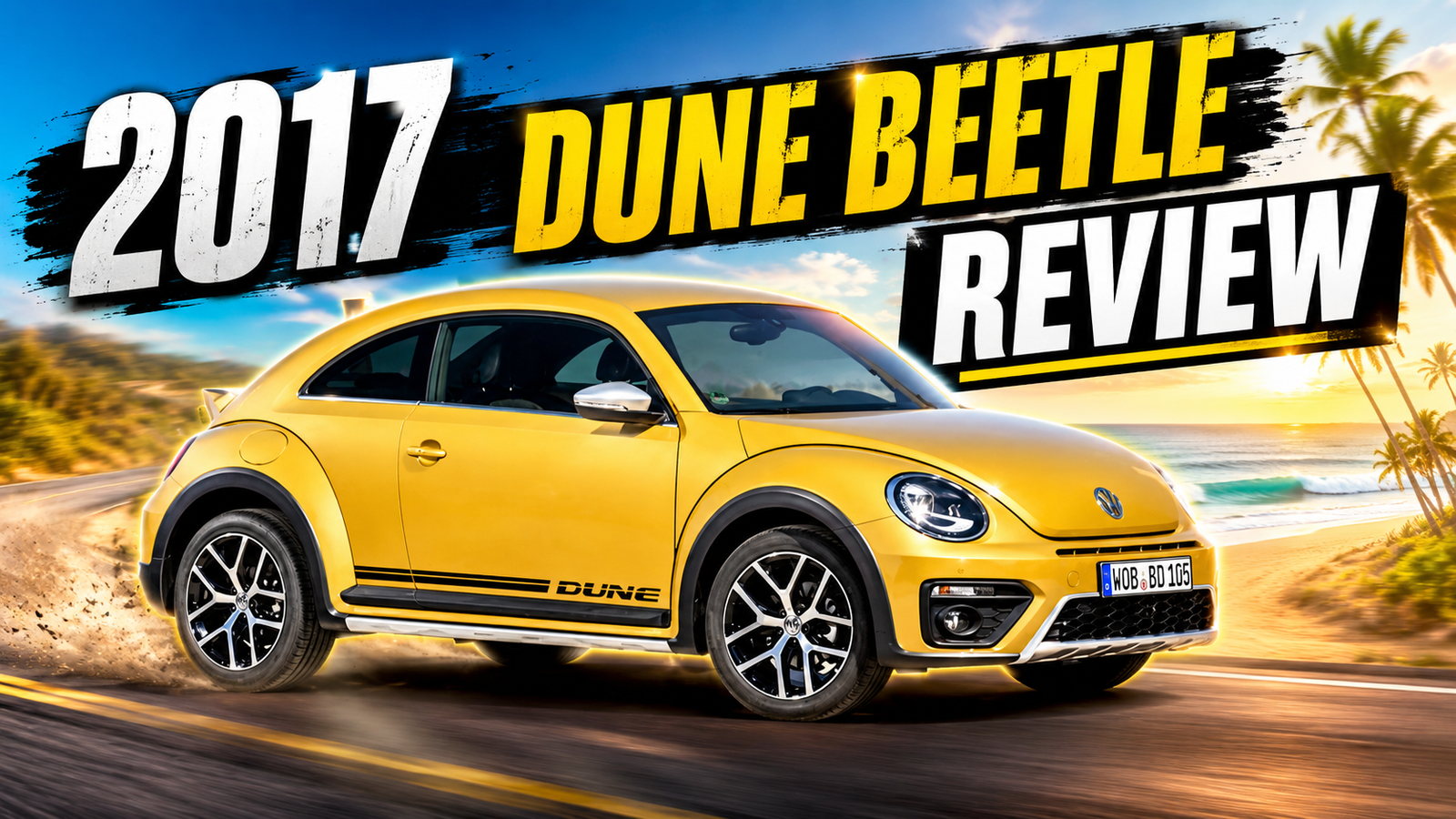
2017 Volkswagen Beetle Dune Review: Building a Vehicle Review from Voice-Over and Stock Footage
This project was created for a company that publishes written vehicle reviews and other automotive content.
The company supplied the completed script for its review of the 2017 Volkswagen Beetle Dune. My role was to transform that written review into a polished video by recording the narration, selecting suitable footage, and editing everything together into a clear and engaging automotive feature.
The Project
The goal was to take an existing written vehicle review and adapt it into a video that felt visually interesting while remaining accurate to the supplied script.
Because I was not filming the vehicle myself, the project depended on carefully selecting footage from the stock media made available to journalists by the vehicle manufacturer.
The challenge was not simply finding attractive footage. Every shot needed to support what was being discussed in the narration.
Recording the Voice-Over
I began by recording the full voice-over from the script provided by the client.
Recording the narration first established the structure and pacing of the entire video. It allowed me to hear how the written review flowed when spoken aloud and gave me a clear timeline to build the visuals around.
During the voice-over editing process, I worked on:
- Removing mistakes and unnecessary pauses
- Improving the pacing of the narration
- Balancing the audio levels
- Creating a clean and consistent sound
- Leaving enough room for each visual section to develop
Once the narration was complete, it became the foundation for the edit.
Filming the Video
I filmed the video outdoors beside the river, using the natural environment as part of the visual storytelling.
Rather than making the scene feel overly produced, I wanted it to resemble a genuine conversation that someone happened to capture. The performances, pauses, facial reactions, and delivery were important because the humour depended heavily on timing.
The outdoor location also helped the video feel more cinematic while keeping the production simple and accessible.
Finding the Right Footage
The available visuals came from stock footage supplied by the vehicle manufacturer for journalists and automotive media.
I reviewed the footage and selected shots that matched the specific details being discussed in the script. This included exterior views, driving footage, interior features, design details, and more creative cinematic angles.
The strongest-looking shot was not always the correct choice. The footage needed to match the narration while also creating enough visual variety to keep the viewer interested.
Matching the Video to the Narration
After organizing the footage, I edited each section to align with the voice-over.
When the narration discussed the Beetle Dune’s exterior styling, the video showed the relevant body details. When the script moved into the interior, features, or driving experience, the visuals changed to support those points.
The editing process involved:
- Synchronizing footage with the voice-over
- Choosing visuals that accurately supported the script
- Trimming shots to maintain a natural pace
- Creating smooth transitions between topics
- Balancing detailed close-ups with wider vehicle shots
- Avoiding repetitive angles
- Maintaining viewer interest throughout the review
The result was a video in which the narration and visuals worked together rather than feeling like unrelated footage placed over an audio track.
Creative Shot Selection
Although the footage was provided, there was still a large amount of creative decision-making involved.
I selected cinematic driving shots, close-up detail shots, and different exterior angles to give the video energy and variety. These choices helped turn a straightforward written review into something more visually engaging.
The goal was to create the feeling of a professionally produced automotive review without distracting from the information being presented.
Editing the Final Video
The final edit brought together the cleaned voice-over, selected footage, pacing, transitions, and overall visual structure.
Each cut was chosen to support either the information in the script or the rhythm of the narration. The video needed to feel smooth and professional while still giving the viewer enough time to appreciate the design of the vehicle.
This project demonstrates how existing written content and manufacturer footage can be repurposed into a complete video without requiring a new on-location production.
What This Project Demonstrates
This project highlights my experience with:
- Automotive video editing
- Voice-over recording and editing
- Script-based video production
- Stock-footage research and selection
- Matching visuals to narration
- Creative shot selection
- Audio cleanup and pacing
- Long-form YouTube editing
- Repurposing written content into video
It also demonstrates the ability to work from client-supplied material while making creative editing decisions that strengthen the final presentation.
Final Thoughts
The most important part of this project was making the visuals feel intentional.
When producing a video from stock or manufacturer-supplied footage, it is easy for the final result to feel like a collection of random clips. By recording and editing the narration first, I was able to build the visuals around the story being told.
The finished video transformed an existing written review into a professional automotive feature that could reach viewers through a more visual and engaging format.
Project Details
Project type: Automotive vehicle review
Vehicle: 2017 Volkswagen Beetle Dune
Client contribution: Written review and completed script
My role: Voice-over recording, voice-over editing, footage selection and complete video editing
Footage source: Manufacturer-provided media footage for journalists
Format: Horizontal YouTube video
Categories: Portfolio, Video Editing
Simple intro call. Clear direction. No pressure.